All Categories
Featured
Shifting From Legacy Outsourcing to Integrated Global Str...
Offshore versus Domestic Strategies: Selecting the Best B...

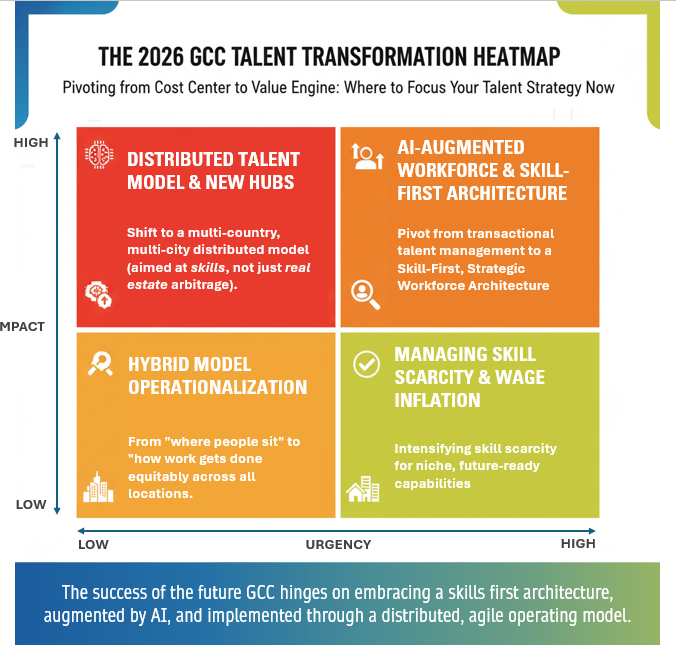
Top Global Workforce Trends for 2026
Table of Contents
Companies are also focusing on building internal marketplaces which contain worker abilities and profession aspirations to assist match workers with open positions. Gen Z is poised to surpass the variety of baby boomers who hold full-time jobs in 2024, according to a Glassdoor report. And by 2025, Gen Z is expected to represent more than a quarter of the workforce, says Blair Ciesil, senior partner with McKinsey & Business.
"These [concepts] are all going to be something big to consider when we think of the messages to help distinguish career chances for Gen Z and likewise how we establish that skill," Ciesil states.
A brand-new research study by Right Management has actually provided an international summary of talent management patterns. The study had 2,200 participants from 13 countries and 24 markets, all of whom were organization leaders of HR specialists. When asked to identify the single most important skill management challenge facing their organisation, the majority of individuals mentioned a lack of skilled talent for essential positions; 28% of worldwide participants called this issue.
Other aspects which were called as issue causers were less than optimum employee engagement, too couple of high-potential leaders in the organisation, a loss of top skill to other organisations and lagging efficiency. Researchers likewise asked the research study's participants how their organisation was buying and establishing talent. Seeking to establish the skills of every staff member was a popular approach, as well as looking for to provide advancement opportunities to all workers over a 3rd of the respondents stated that their organisation took these approaches to talent advancement.
Determining essential contributors and targeting them for development efforts was another popular method for purchasing talent advancement, with a quarter of worldwide participants naming this as the favored technique in their organisation. Almost none of the participants stated that investment in talent was restricted or non-existent; globally, just 1% of individuals offered this action.
Nearshore Delivery Models: Cost Benefits for 2026How to Scale Strategic GCC Operations in 2026
Twenty-five years considering that the term "War for Talent" was first created by Steven Hankin at McKinsey & Co., strong competitors for abilities and experience still becomes a crucial priority amongst organisations, above all other talent difficulties. Talent destination is not simply a short-term priorityit's a long-lasting competitive advantage. We should reassess how we position our organisations as companies of option.
For little to mid-sized organisations, the capability to bring in niche skillsets is particularly difficult. of HR leaders point out Skill Destination as either: External elements such as (61%) and (50%) remain crucial challenges in efforts to attract and keep talent. Based upon our study, little organisations (500999 staff members) will greatly depend on AI-driven recruitment tools to scale efficiently.
Leaders must find out how to handle work while maintaining engagement", shared one respondent from the Energy Sector. "With hybrid designs ingrained, large organisations require tools to determine engagement and manage workloads", commented an HR leader in a Financial Services company. of participants cited Skill Retention as either Important (53.8%) or Really Essential (23.1%).
Navigating International Labor Laws for Remote Teams
Southeast Asian respondents emphasize and limited profession progression, particularly in smaller sized organisations. Mid-sized organisations deal with a double obstacle: handling while keeping trust and group cohesion in hybrid environments.
Particularly for worker wellness, some techniques organisations are preparing for 2025 include expanding psychological health assistance (61% of respondents), creating opportunities for social connection (58%), and tension management/resilience building programs (50%). An excellent 65% of respondents said that their Talent Management budget plan would stay the same in 2025. Locations of spend concern will remain in skill development and leadership programs, besides more general abilities upskilling.
Nearshore Delivery Models: Cost Benefits for 2026These styles resonate across industries, workforce sizes, and areas. The most vital management skills/themes to enhance in 2025 would be: Coaching and mentoring, together with EQ/Self-awareness, were mentioned by 38% of respondents. Further down the top priority list, was 4% mentioning ethical management as a focus location for advancement among senior skill.
Leaders should learn how to handle work while preserving engagement", shared one participant from the Energy Sector. "With hybrid designs embedded, big organisations need tools to measure engagement and handle work", commented an HR leader in a Financial Services company. of respondents cited Skill Retention as either Important (53.8%) or Very Essential (23.1%).
Maximizing Corporate Efficiency through Strategic Optimization
This shows the long-term nature of efforts in engaging and retaining talent. In Australia, large business report and as their primary engagement difficulty. Southeast Asian participants highlight and limited profession progression, particularly in smaller organisations. Mid-sized organisations face a dual obstacle: handling while maintaining trust and group cohesion in hybrid environments.
Specifically for worker well-being, some methods organisations are preparing for 2025 consist of broadening psychological health support (61% of participants), creating opportunities for social connection (58%), and tension management/resilience building programs (50%). An excellent 65% of participants said that their Skill Management budget plan would stay the same in 2025. Areas of invest concern will be in talent advancement and management programs, besides more basic abilities upskilling.
These styles resonate throughout industries, workforce sizes, and areas. The most crucial management skills/themes to enhance in 2025 would be: Training and mentoring, together with EQ/Self-awareness, were mentioned by 38% of participants. Even more down the top priority list, was 4% pointing out ethical management as a focus location for development amongst senior skill.

Latest Posts

Navigating GCC Frameworks in 2026

Shifting From Legacy Outsourcing to Integrated Global Structures
Offshore versus Domestic Strategies: Selecting the Best Balance