All Categories
Featured
Shifting From Legacy Outsourcing to Integrated Global Str...
Offshore versus Domestic Strategies: Selecting the Best B...

Shifting From Traditional Outsourcing to Advanced GCC Hubs
Rather than slashing budget plans haphazardly, leading CFOs use cost savings to fuel finance transformation and wider company growth. Key data points strengthen this view: e.g., identify "enterprise-wide cost optimization" as a leading concern , yet consider AI exceptionally important to their financing departments . Case studies demonstrate that structured expense programs can create considerable profit increases (in one case $19M) without undermining ability .
How Labor Market Dynamics Shape GCC Strategy in 2026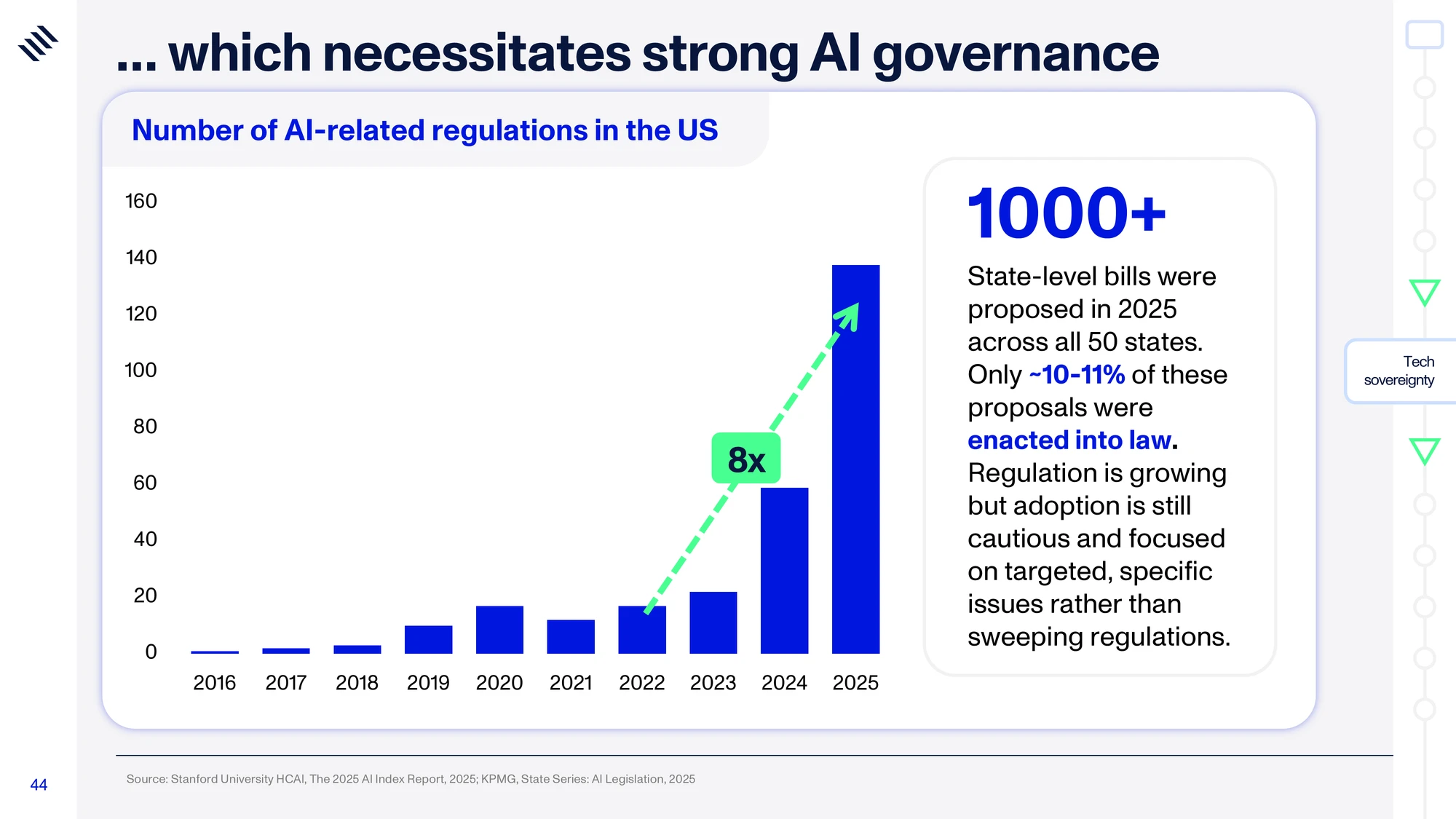
For practitioners, the suggestions is multifold: preserve rigorous cost controls (using tools like zero-based spending plans and cross-functional performance reviews), however make sure that those steps are tied to strategic objectives. Invest carefully in areas with clear ROI in specific, automation and analytics that both lower costs and enhance decision-making. Continuously upskill the finance group so that expense savings equate into worth, not layoffs.
In conclusion, as CFOs hone their pencils on the spending plan, they must likewise watch on the horizon. The most successful finance chiefs will be those who see cost optimization as the entrance to development guaranteeing that the resources maximized today lay the structure for tomorrow's chances .
Each claim above is supported by pointed out proof from these sources.
Cost decrease is a strategic approach undertaken by businesses to decrease their expenditures and improve success. It includes identifying and removing non-essential costs, enhancing operations, and leveraging innovation to attain more effective procedures. The importance of expense reduction can not be overemphasized, specifically in its capacity to boost enterprise worth production.
Shifting From Legacy Outsourcing to Advanced GCC Structures
Among the main purposes of expense decrease is to reinforce a company's profitability and capital. This is attained by improving operations and assigning resources better. By cutting unnecessary costs, business can improve their bottom line, providing the financial flexibility needed to navigate market variations. Furthermore, expense decrease contributes in improving functional efficiency, ensuring that organizations can deliver services and products without squandering resources, which can cause sustained success.

Latest Posts

Navigating GCC Frameworks in 2026

Shifting From Legacy Outsourcing to Integrated Global Structures
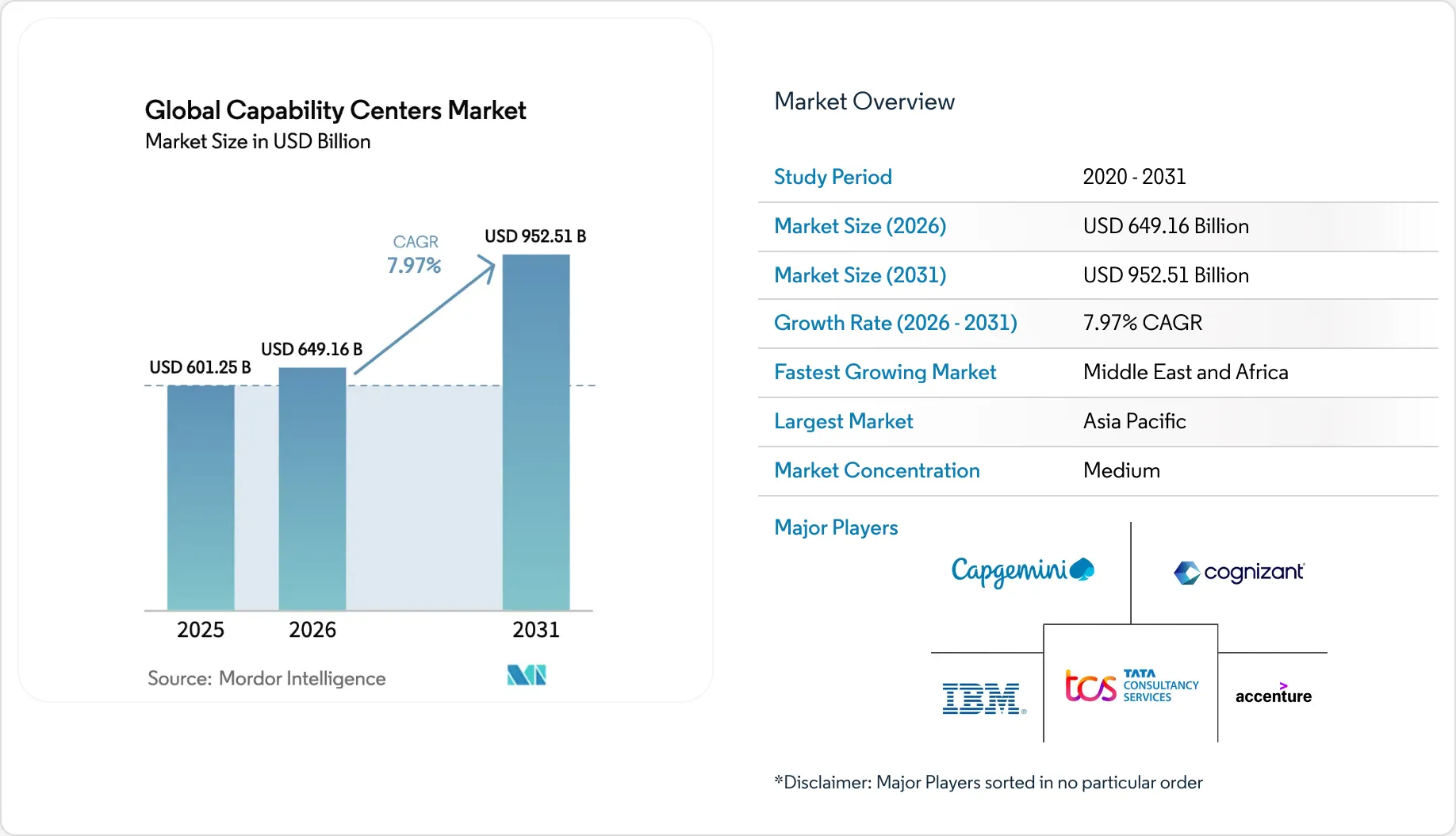
Offshore versus Domestic Strategies: Selecting the Best Balance