All Categories
Featured
Shifting From Legacy Outsourcing to Integrated Global Str...
Offshore versus Domestic Strategies: Selecting the Best B...

Reviewing Global Labor Talent Shifts for 2026
Table of Contents
Companies used to see international service expansion as their typical corporate objective. Organizations expand their operations into new geographical areas since they want to attain little business growth and market expansion and improve their corporate position. Boards evaluate market potential and competitive benefit and entry methods because they think operational quality will instantly lead to effective execution when market need ends up being obvious.
The existing market entry process deals with extra entry barriers since organizations are not prepared for entry instead of because there are no new service opportunities readily available. The majority of failed growth attempts fail due to the fact that their management systems and governance models and execution abilities do not match the preliminary complexity which cross-border operations give operations.
The whitepaper presents the argument that companies need to see their 2026 international company growth as a governance and management difficulty instead of treating it as a sales or development method. Organizations which stay with their recognized growth techniques will experience service collapse through undetectable yet pricey and steady procedures. Organizations which revamp their execution and governance systems before entering the marketplace will preserve their versatility and develop long-lasting worth.
Future-Proofing Corporate Footprints With GCC Frameworks
Brand-new market entry requires investors to see proof of control achievement from the start. The company faces 5 major obstacles which include legal direct exposure and regulative compliance and skill risk and pricing pressure and client expectations before it attains considerable earnings development.
Organizations used to have enough resources which allowed them to test new market chances through speculative methods. Growth is no longer forgiving of weak operating designs.
Boards receive growth propositions which focus on presenting opportunities rather of demonstrating how these strategies will work. The assessment of market size together with incoming interest and pilot customer accessibility and partner preparedness functions as the basis for figuring out readiness. Organizations do not have correct evaluation approaches to identify their ability to run a secondary operating system which supports their primary service operations.
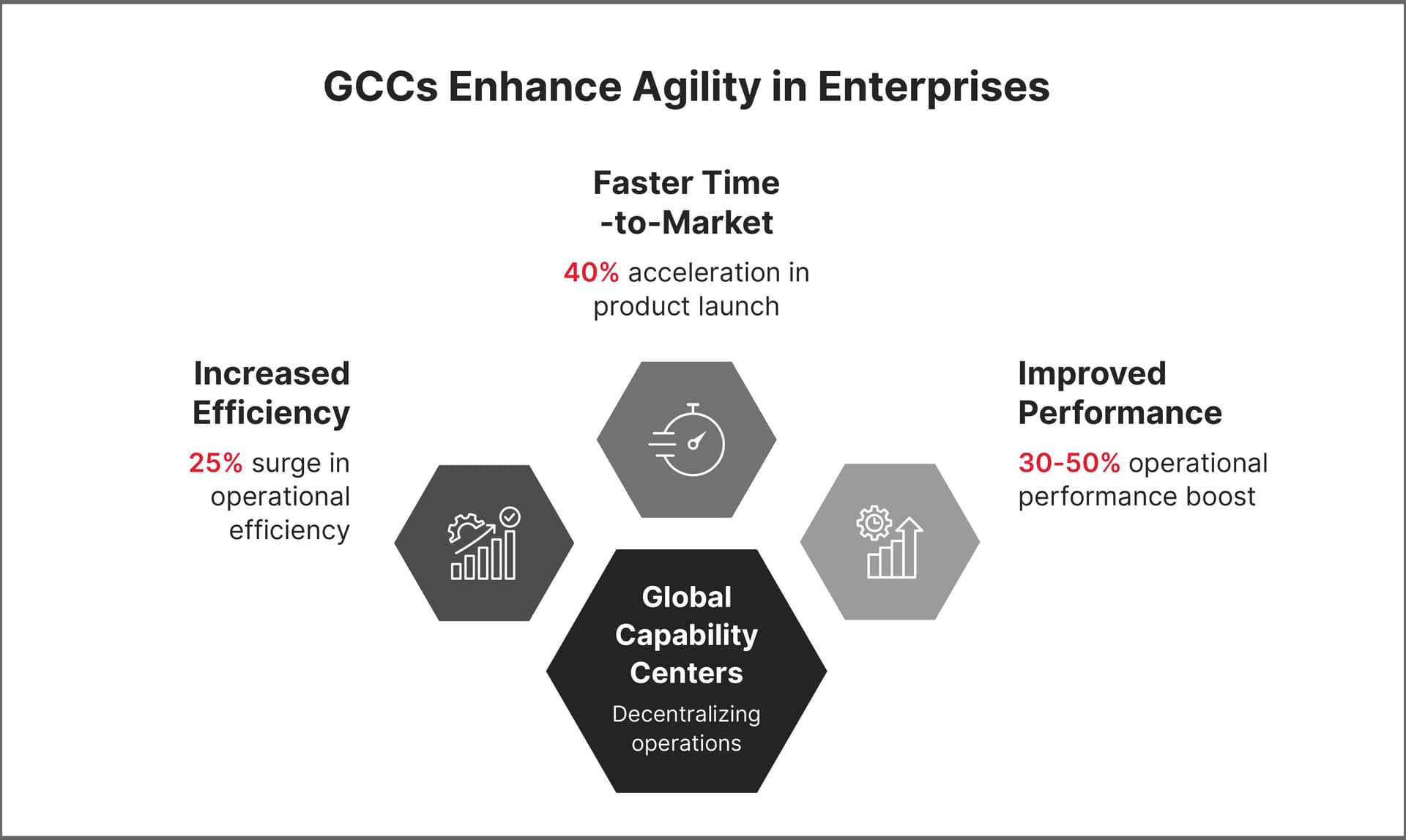
Why Capability Hubs Boost ROI in 2026
The aspects which do not have appropriate advancement force organizations to add brand-new components rather of utilizing existing ones for expansion. Management positions have actually broadened in number, but their advancement stays insufficient.
The governance system marks completion of efficient operations for expansion activities. The company does not lack ambition. It does not have structural focus. Organizations that expand internationally keep an inaccurate belief which suggests their business growth through partner or supplier networks will decrease operational dangers. The real situation stays hidden from view.
Client feedback becomes filtered. The organization gets efficiency information through postponed delivery which only includes info about cases. The difference in between accountability ends up being unclear when companies use various benefit systems. The breakdown of execution leads people to move their blame towards outside entities. The practice of depending upon partners who do not have comparable governance systems results in silent expansion failure in 2026.
The process of successful business development requires stringent management of intermediaries but does not require their total elimination. Management groups which do not keep presence and control will just find their issues after their momentum has vanished. International services pick to develop their service expansion operations in the United States as their preferred location.
Strategic Benefits of Global GCC Growth in 2026
The U.S. market contains both large market potential and multiple independent market sectors. Organizations typically experience sales cycles which extend past their preliminary projected timeframes. Organizations need to demonstrate their regional existence and their capability to fulfill customer requirements effectively to draw in consumers who wish to purchase. The worker selection process leads to costly errors which need extended time to deal with.
The market reveals severe price competition due to the fact that different competitors run their own separate market territories. Without sustained local leadership existence and decision authority, traction remains delicate.
Professional Review of Future GCC Architecturesmarket without changing their governance and leadership systems would be an unconservative method. It is positive. The main reason for growth failure exists because companies stop working to identify which entity must lead market success in new areas and what authority they need to have. The research study identifies numerous patterns which consistently trigger businesses to stop working when they try to expand their operations.

Latest Posts

Navigating GCC Frameworks in 2026

Shifting From Legacy Outsourcing to Integrated Global Structures
Offshore versus Domestic Strategies: Selecting the Best Balance